Alaska Moose, Caribou or Bear Hunt
Experience Great Moose, Caribou or Bear Hunting in AlaskaMOOSE, CARIBOU OR BEAR HUNT in Nome, Alaska
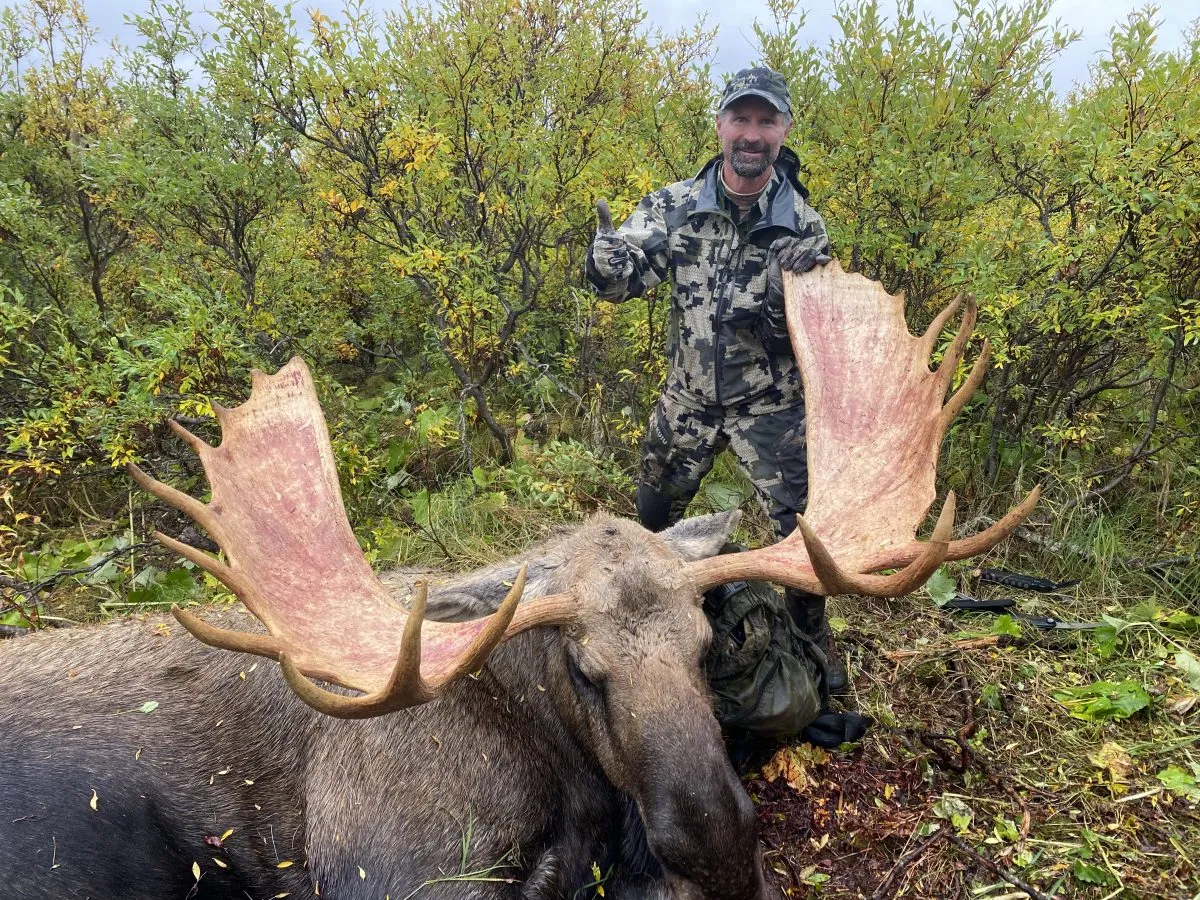
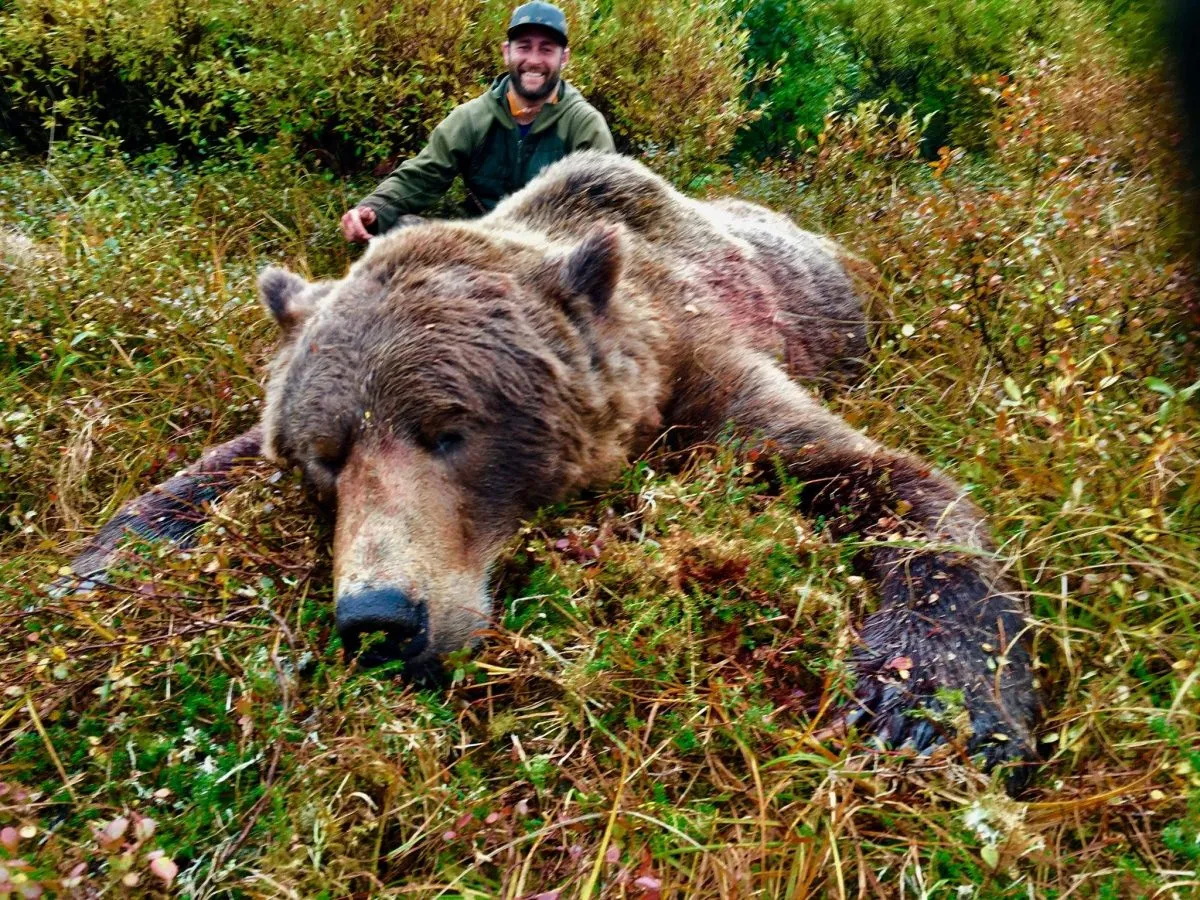
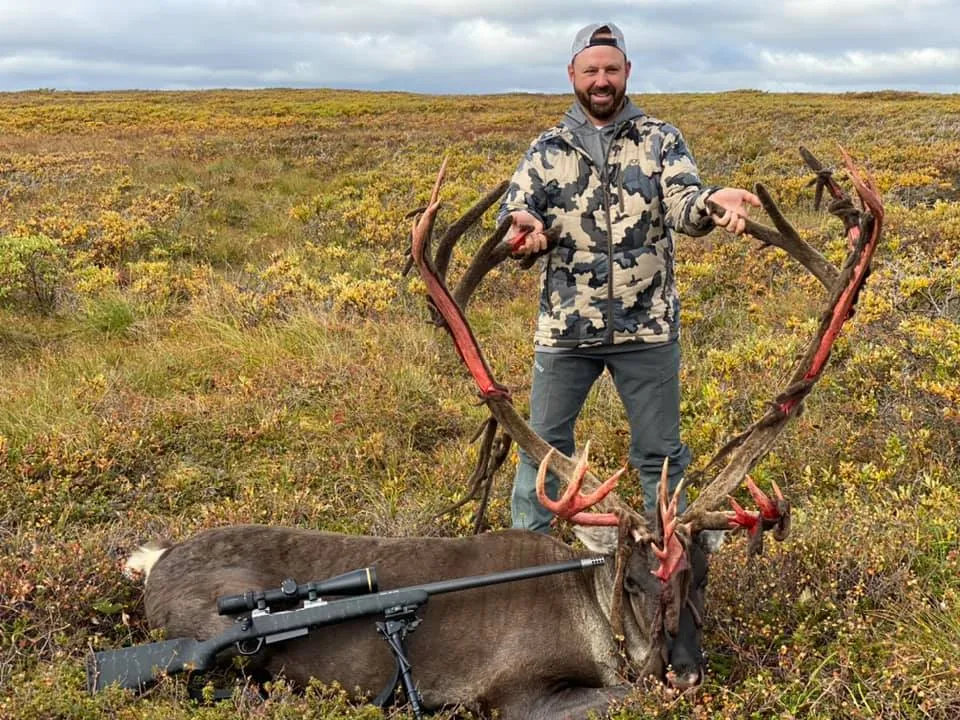
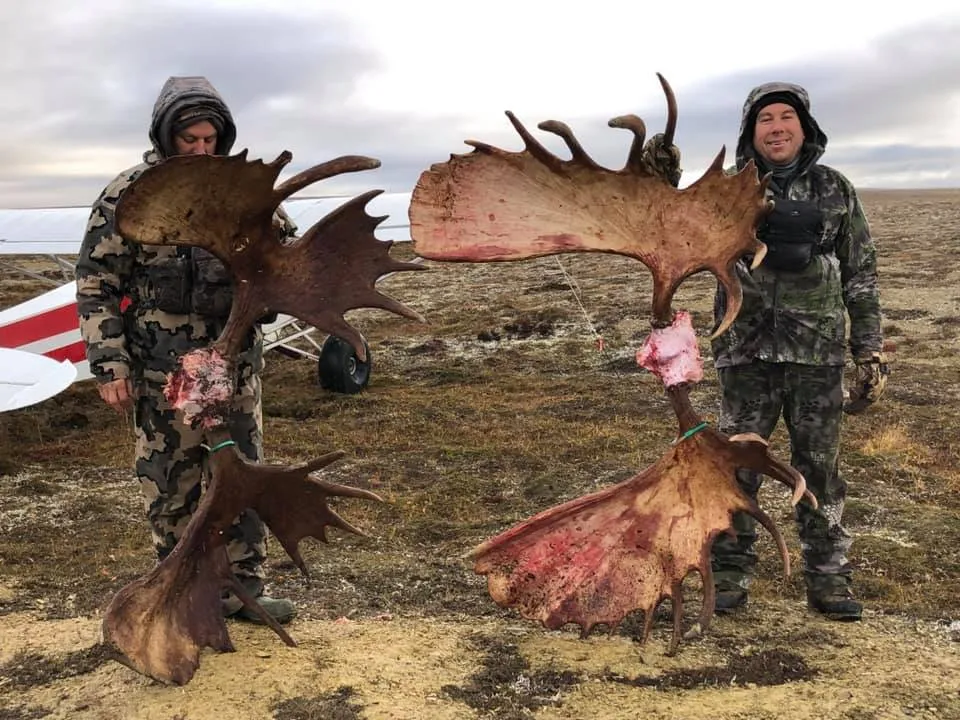
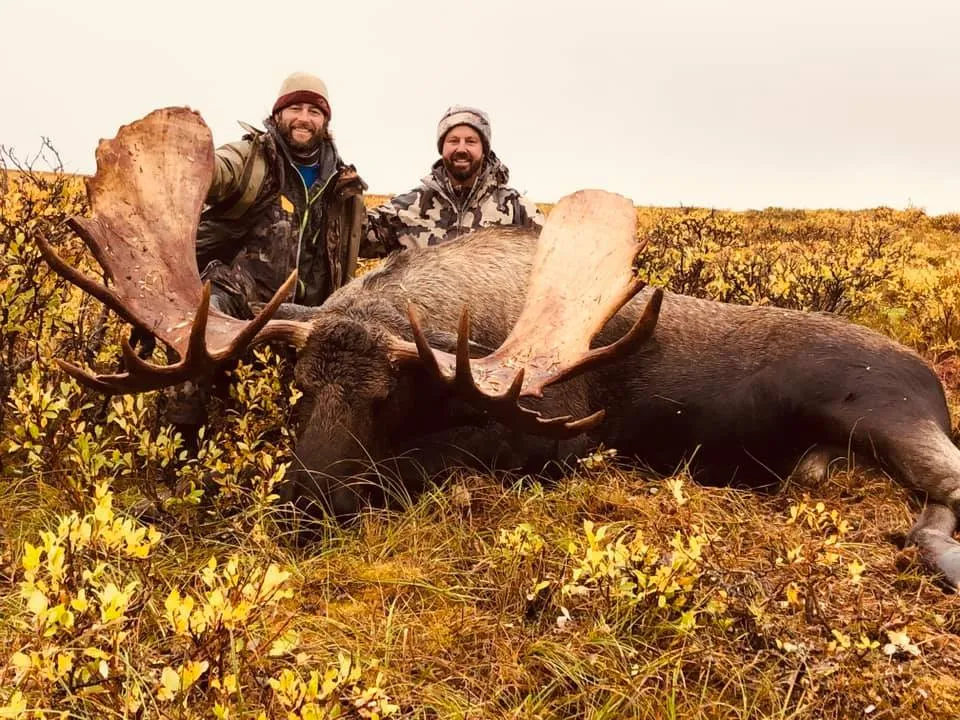
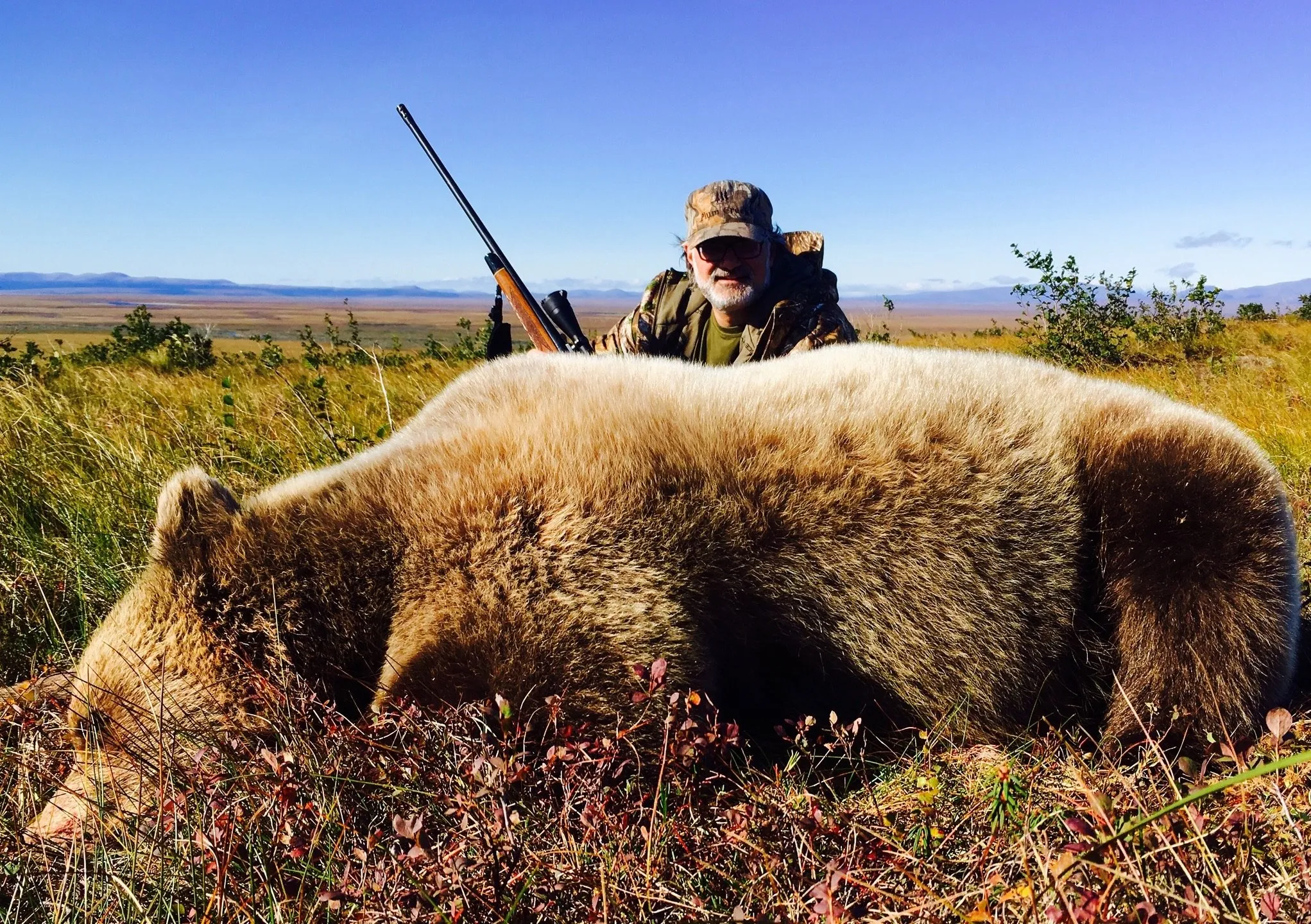
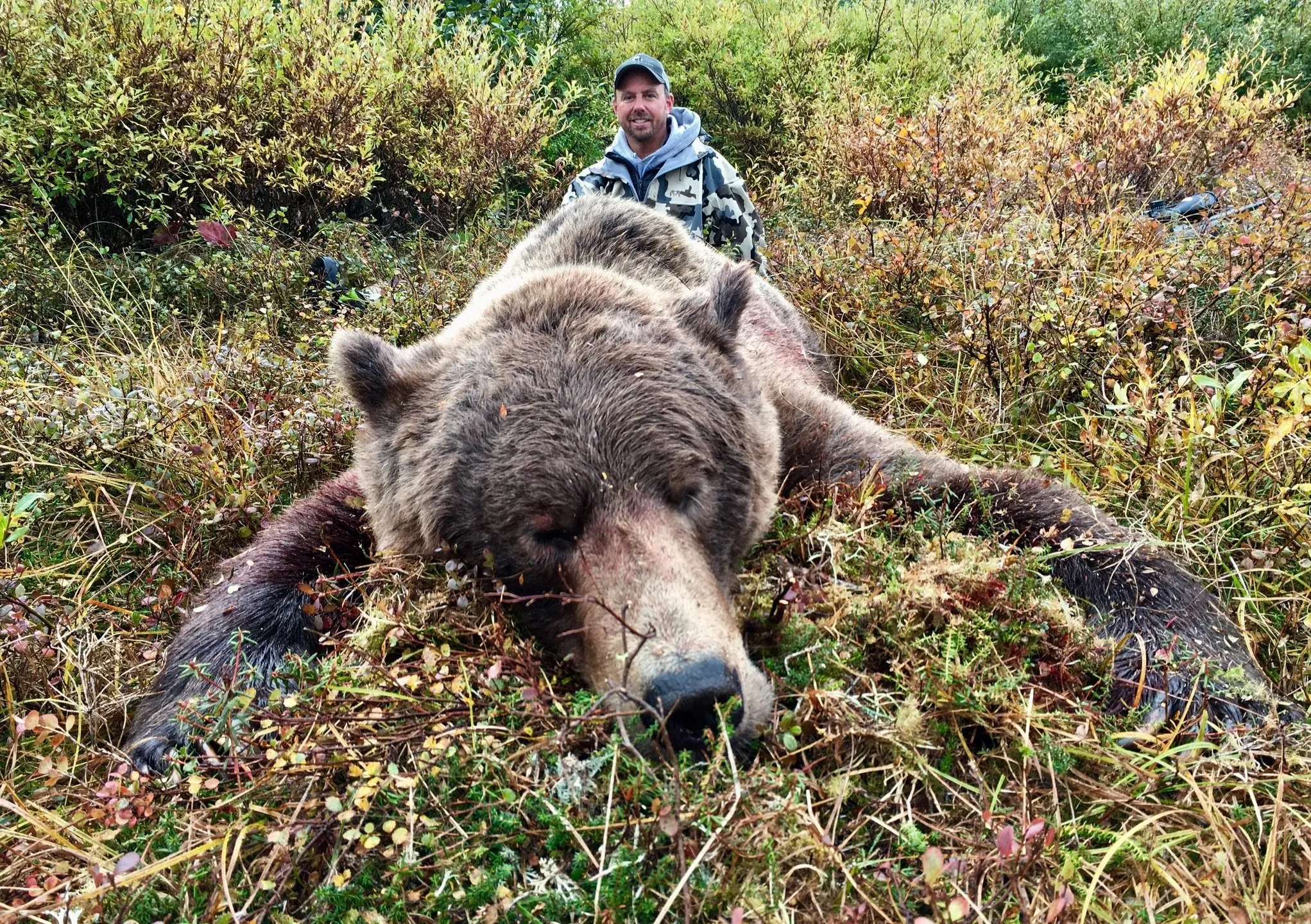
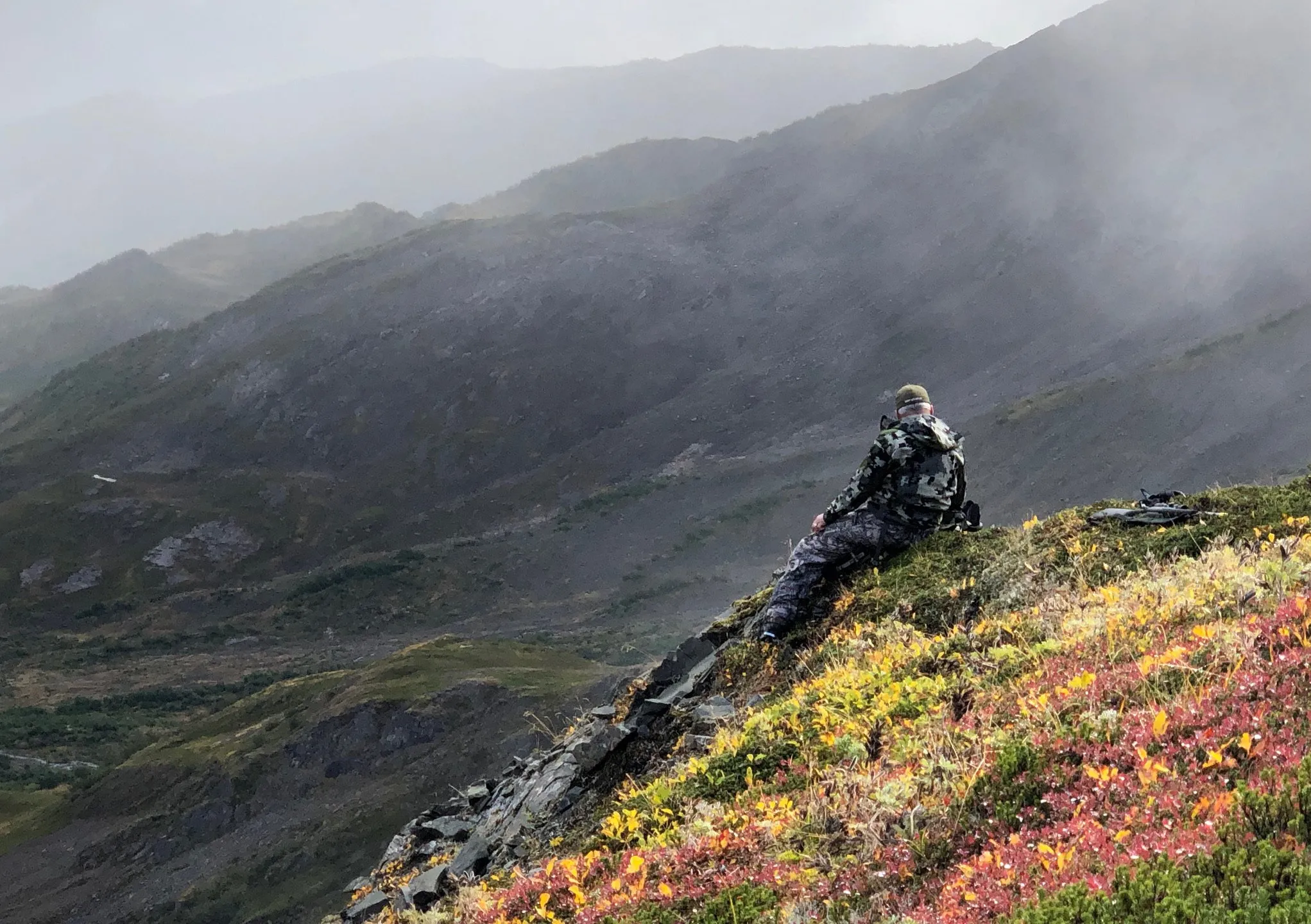
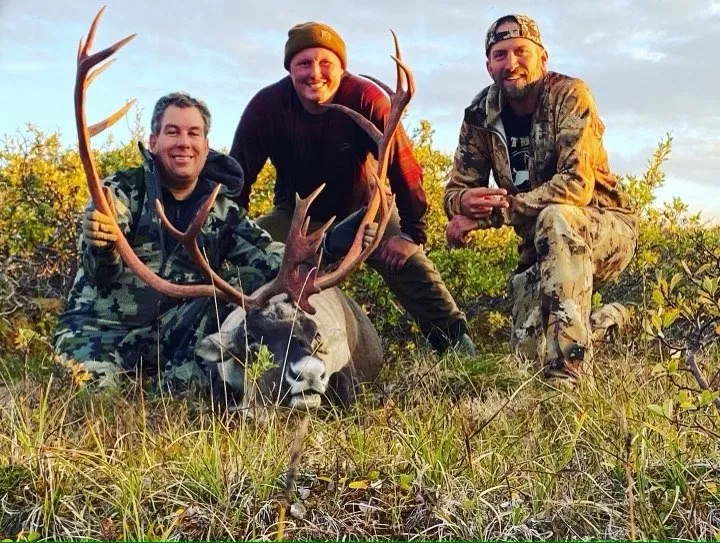
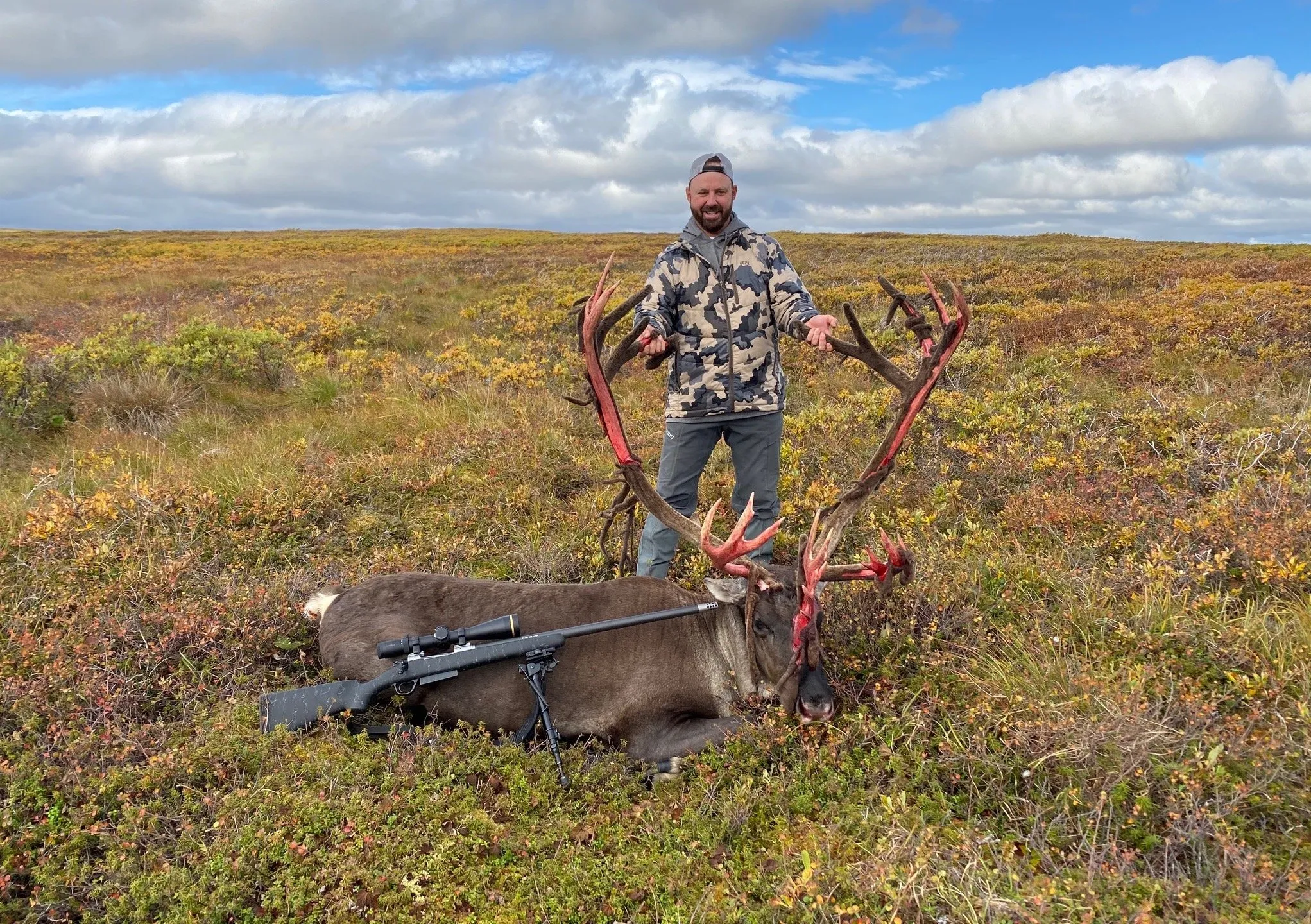
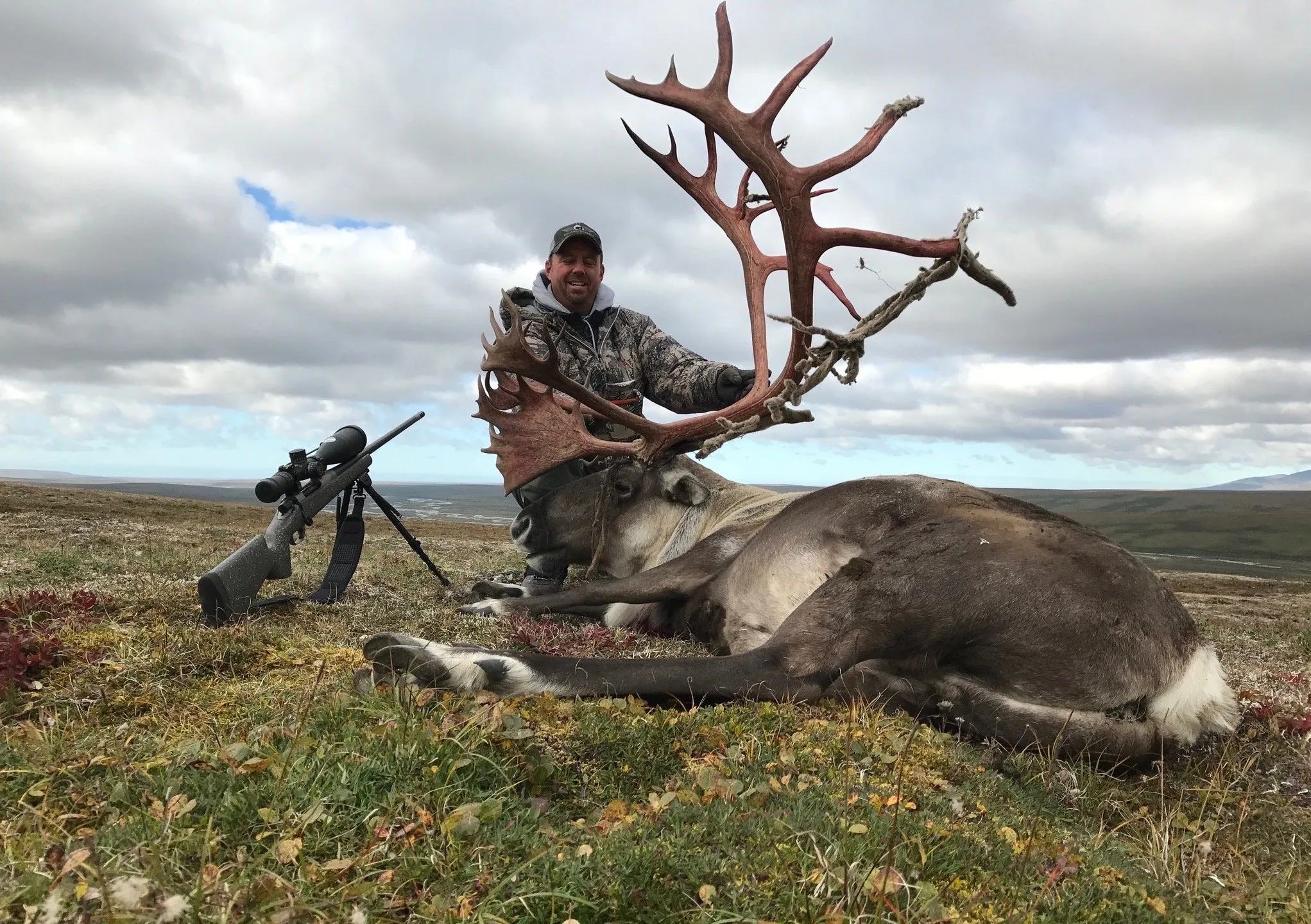
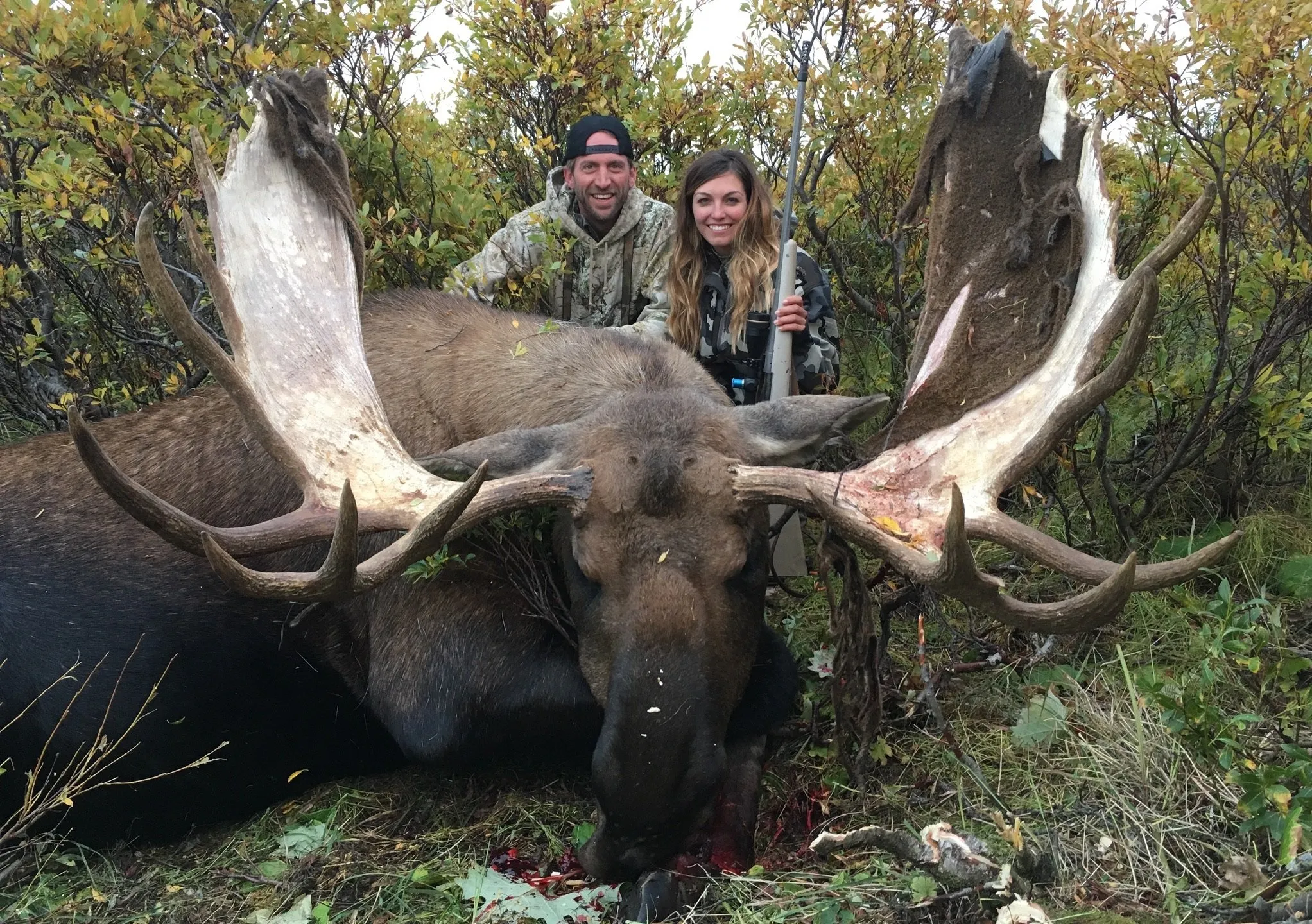
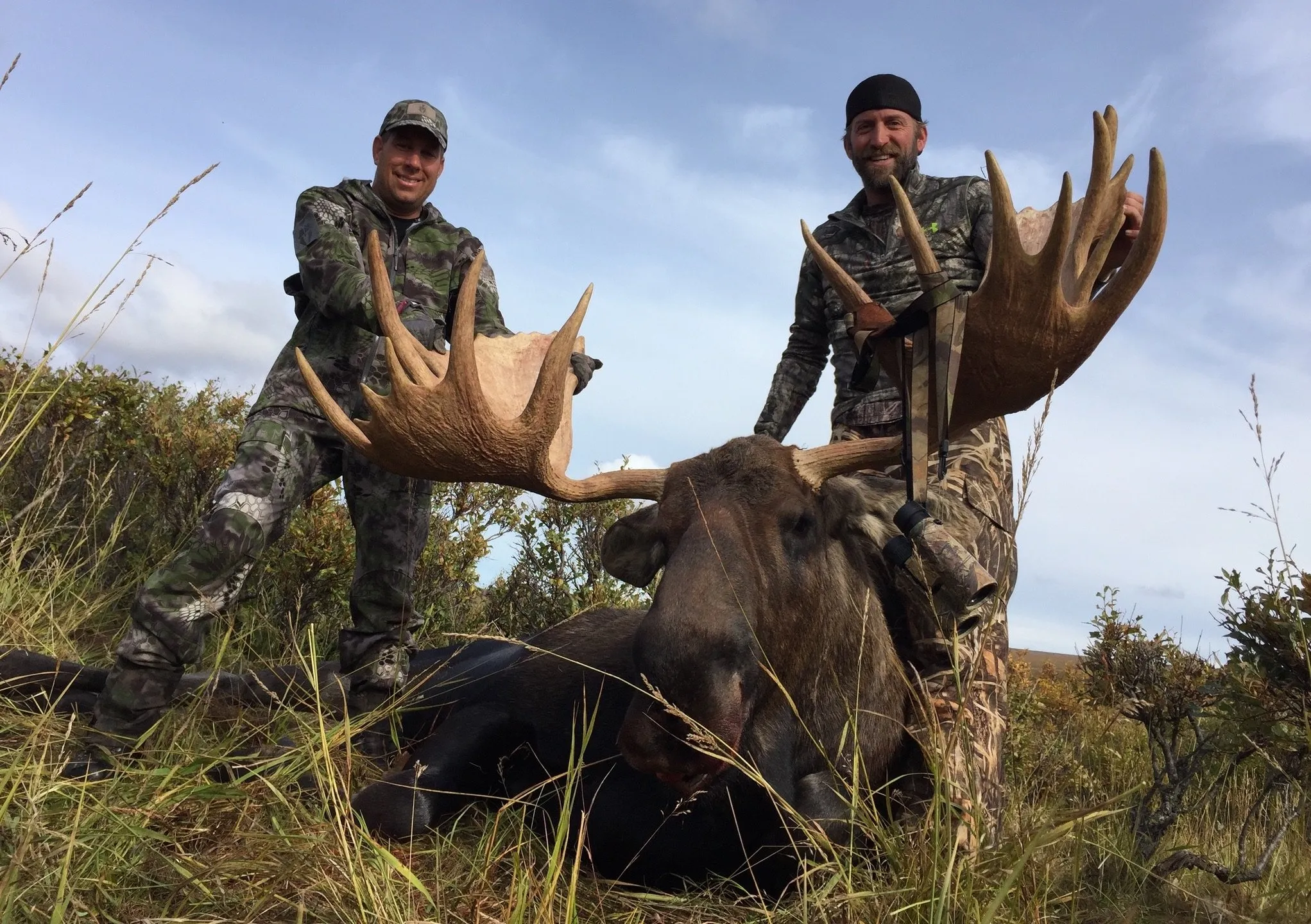
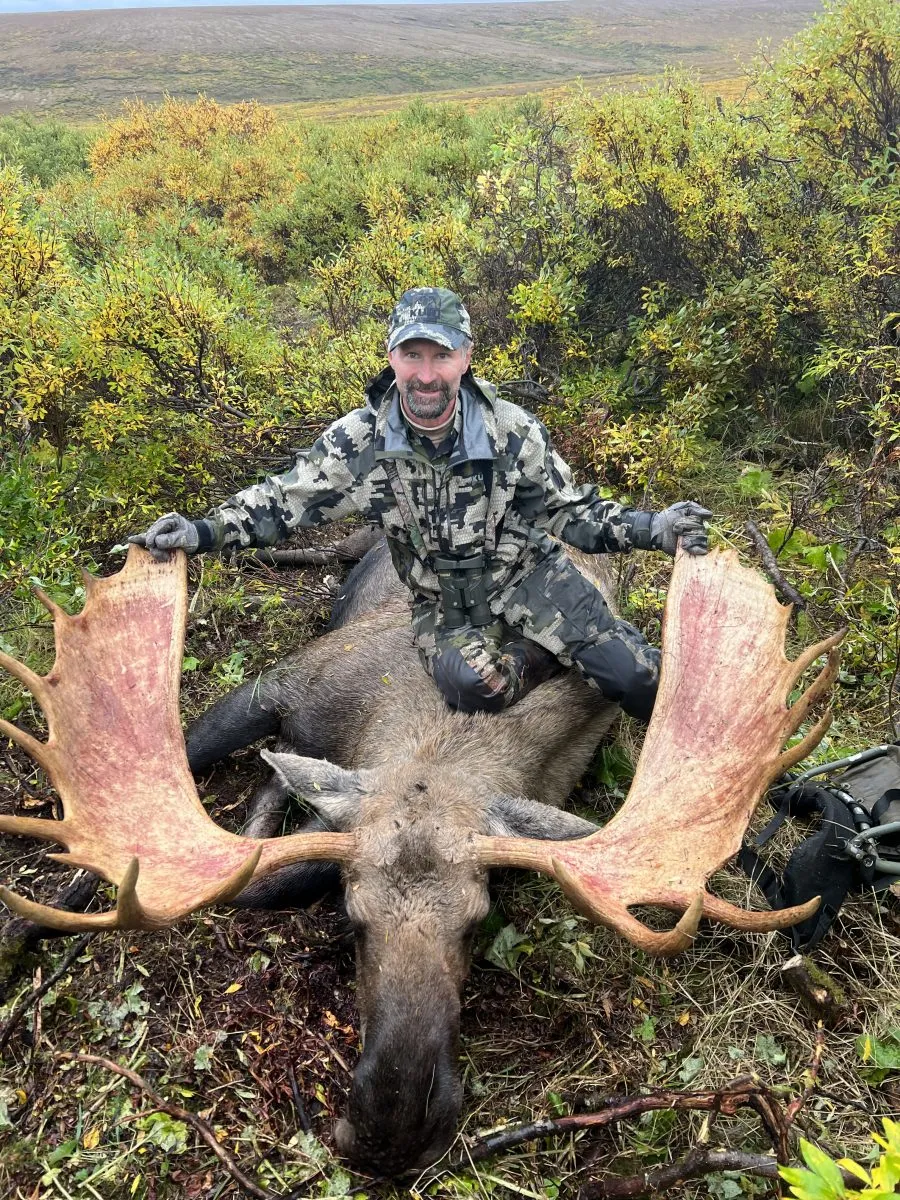
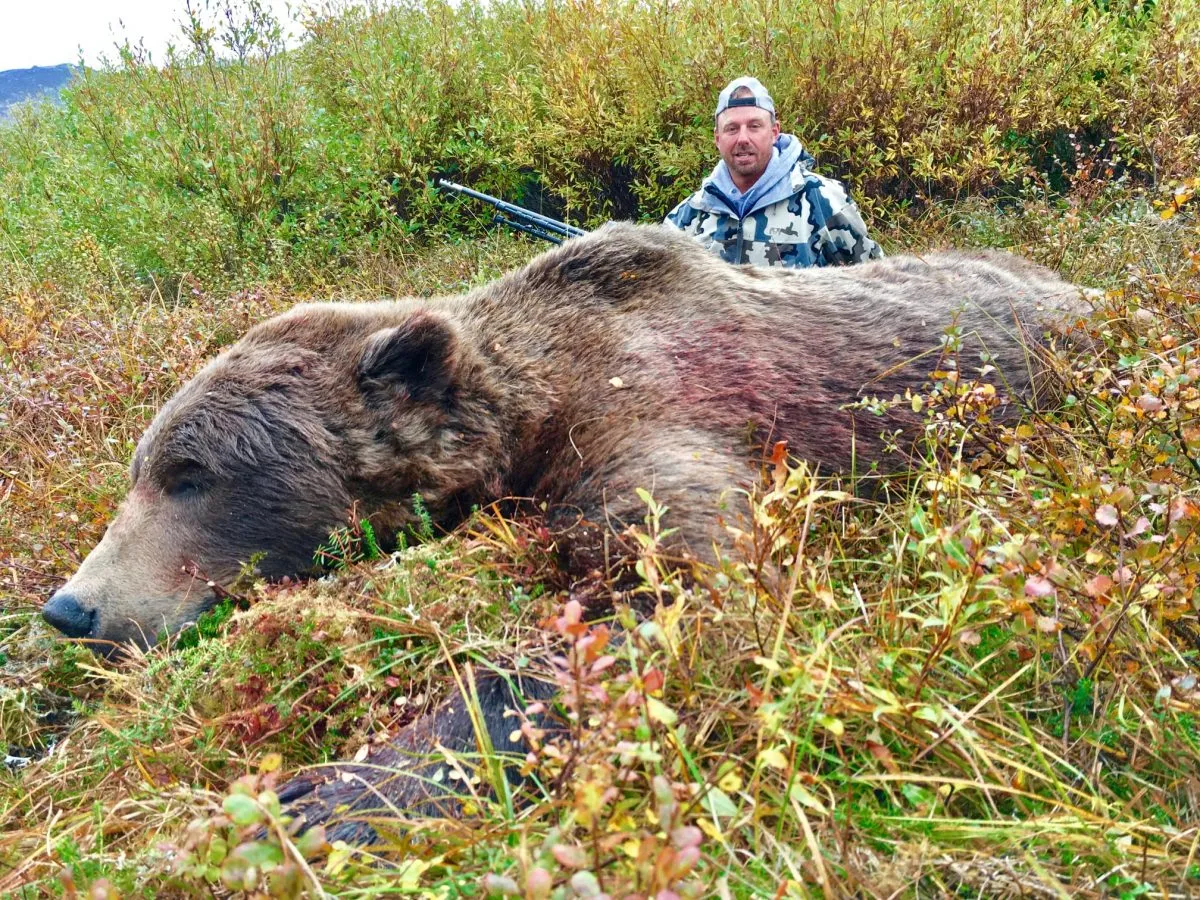
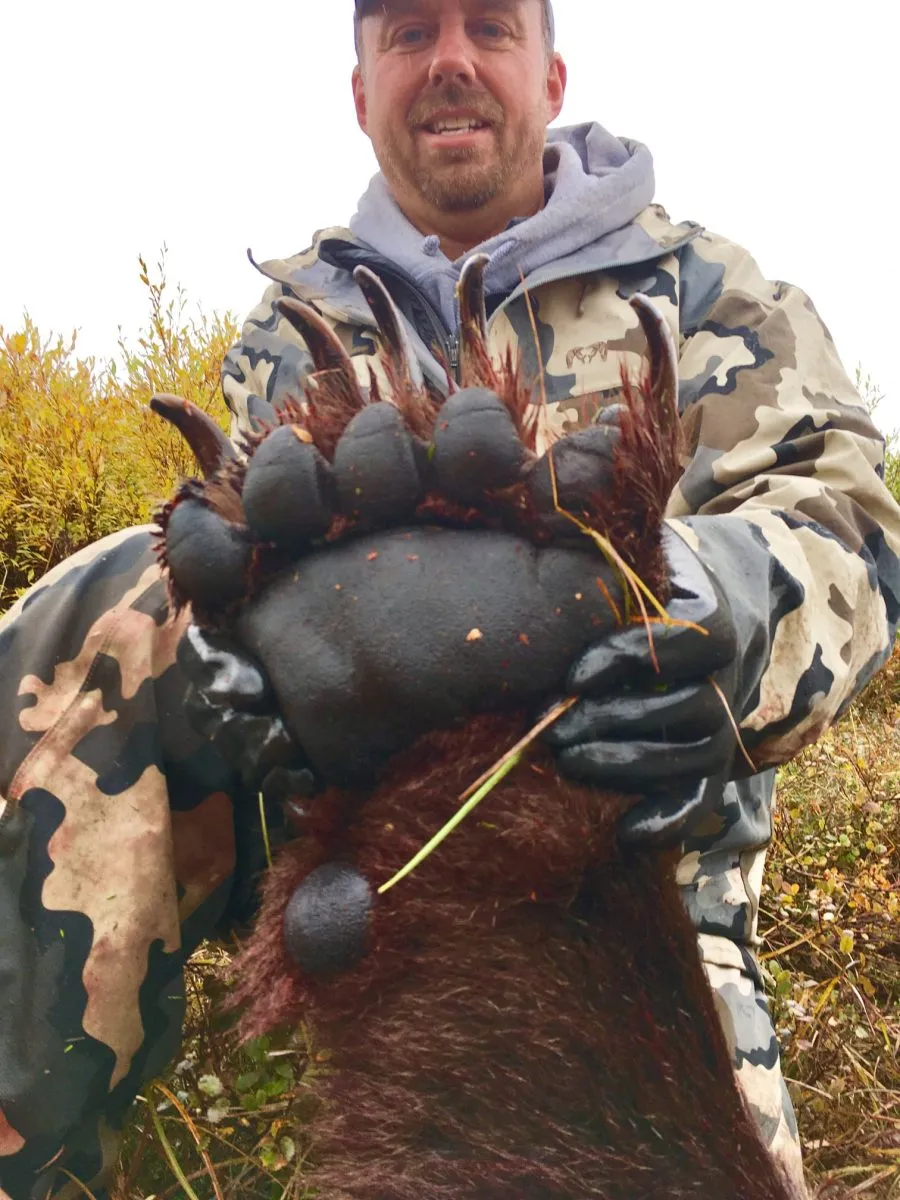
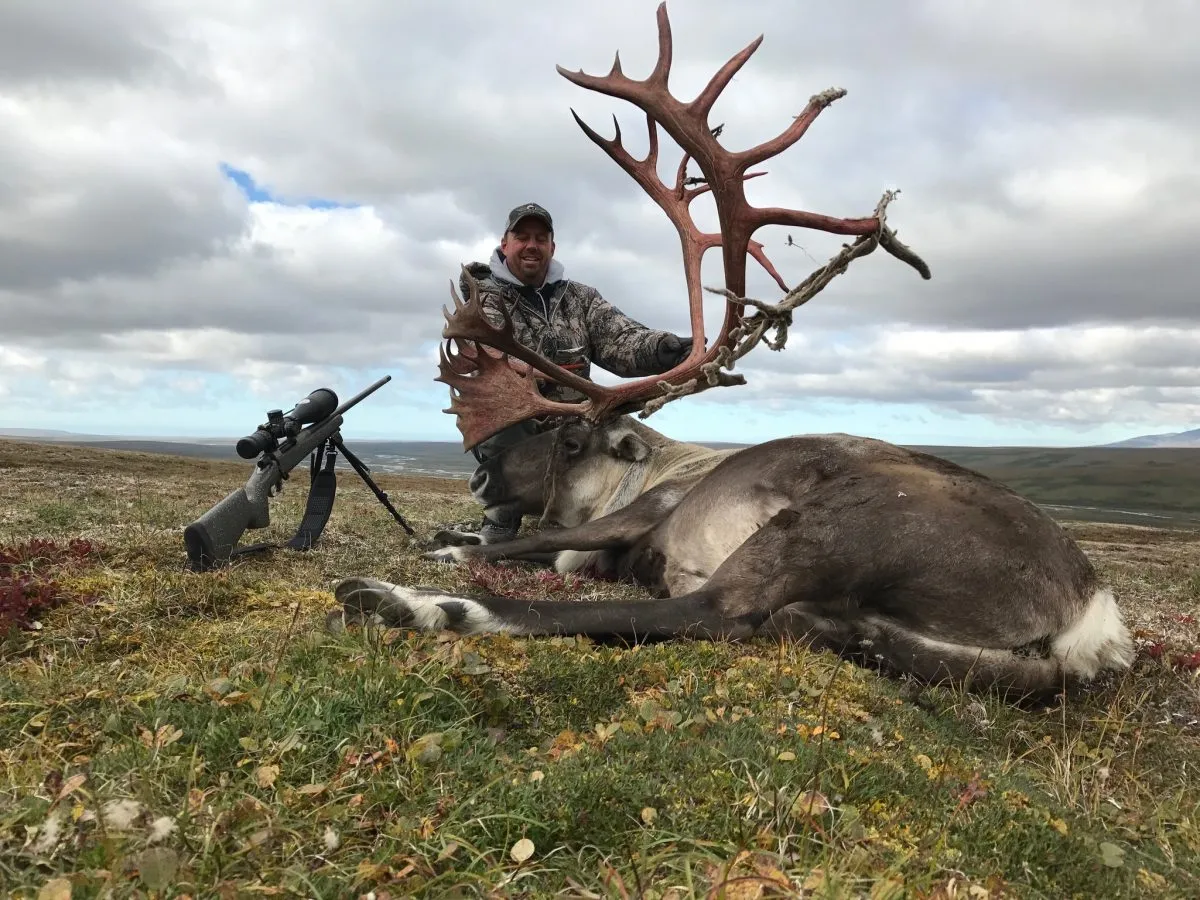
Join us for a Moose, Caribou or Bear Hunt in the great State of Alaska, offering a taste of Alaska’s last frontier. Most of our hunts operate out of remote temporary tent camps or spike camps, allowing for flexibility to move with the animals. You should expect most of the work for your hunt happens before you arrive with countless hours of flying, scouting and preparation for the best location to put clients in areas for a successful, efficient and exciting hunt.
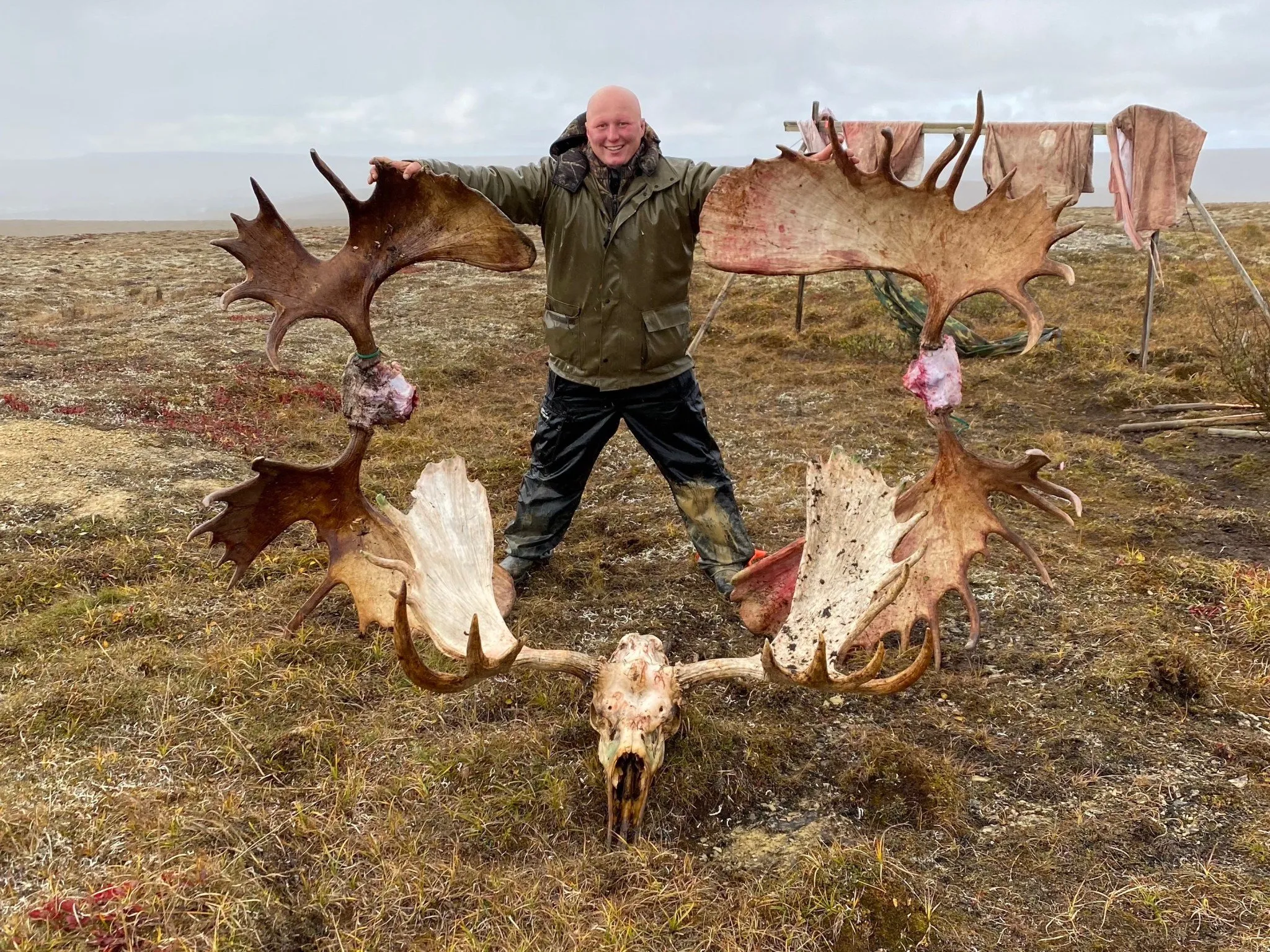
Our team has multiple record book animals in Safari Club and Boone and Crockett, putting you in expert hands. Most of our hunts operate out of remote temporary tent camps or spike camps, allowing for flexibility to move with the animals.
TROPHY/MEAT POLICY
Your hides and skulls will be prepped for taxidermy, packaged and trans- ported to Nome. Hunters may take up to an additional 100 pounds of meat, packaged into 50-pound boxes. We can help package and freeze only a small quantity of meat for clients, as freezer space is limited.
Any trophy/meat that does not fit into your allowed airline baggage can be held in cold storage and shipped to Anchorage through Northern Air Cargo for an additional $0.45 per pound.
For cold storage in Anchorage, we work with Dalton Refrigeration. For shipping from Alaska to destinations within the USA we work with Alaska Trophy Express, more information can be found on their website: www.alaskatrophyexpress.com
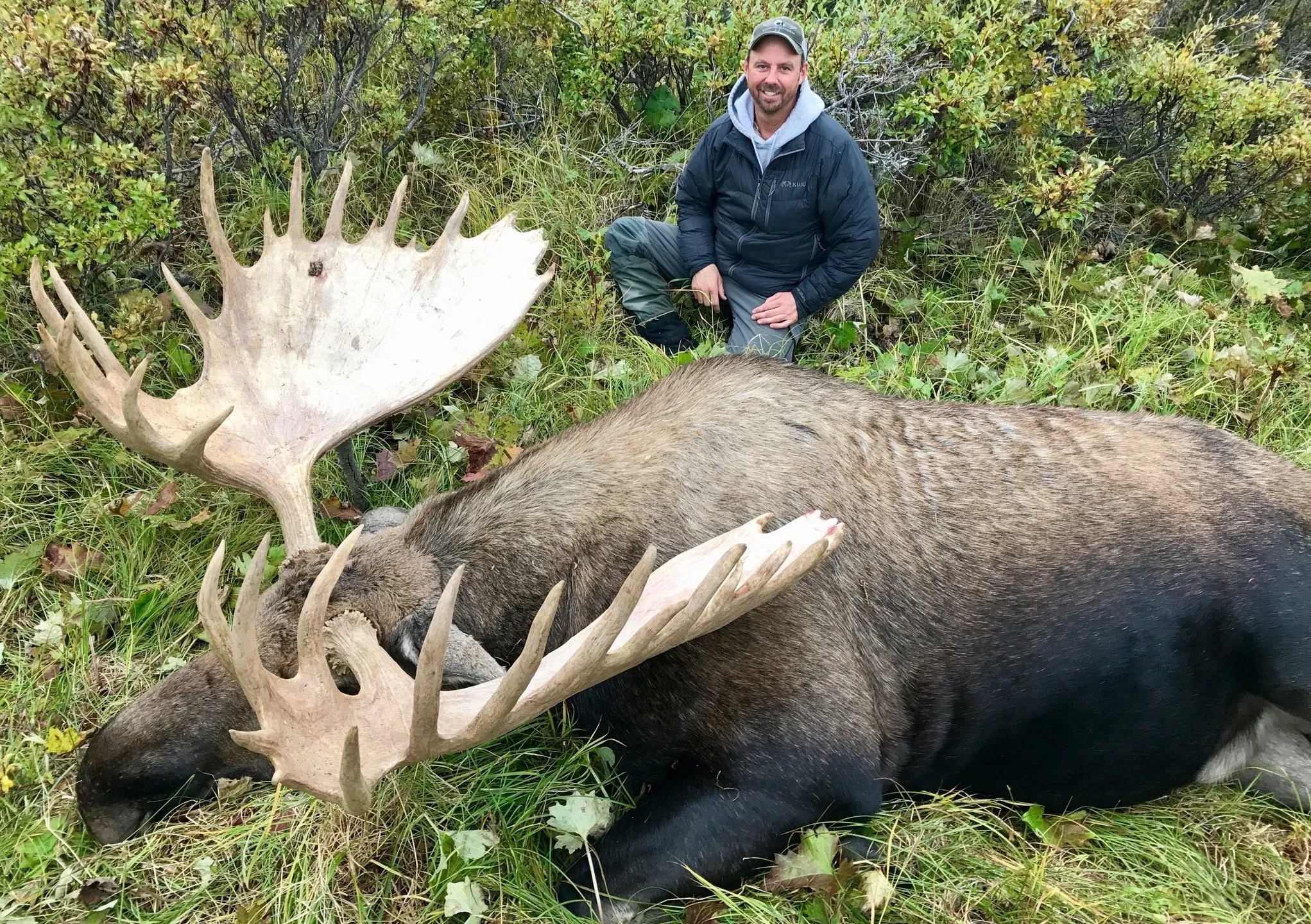
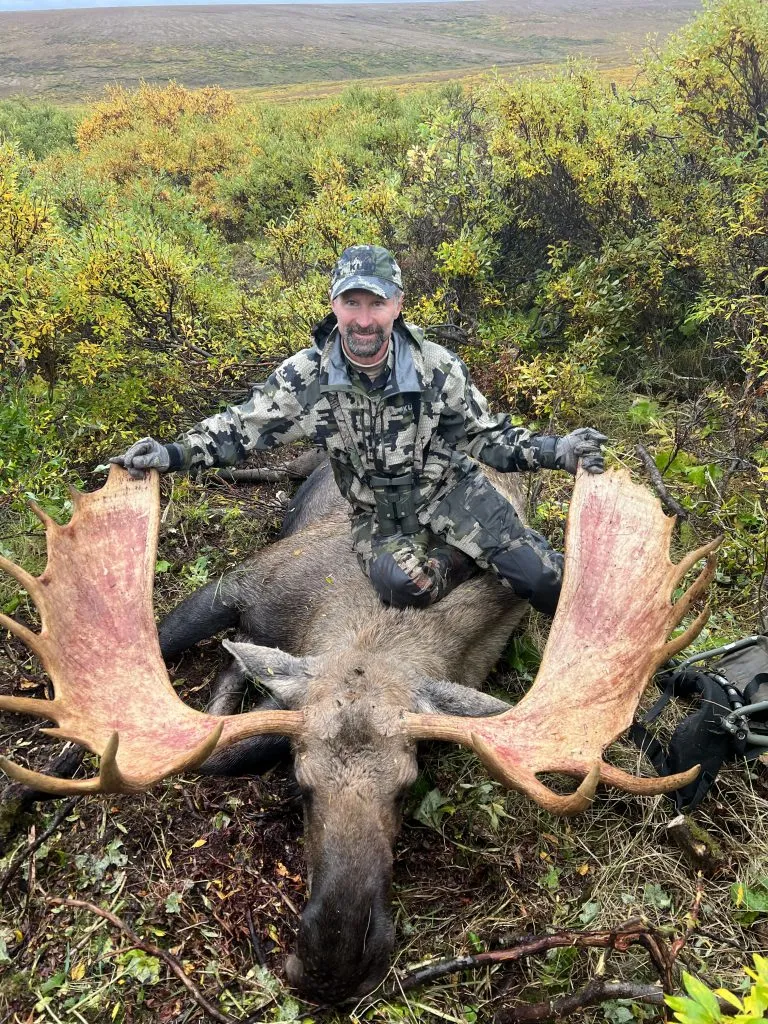
There is approximately 600-800 pounds of meat on a moose. Unless prior arrangements are made the remainder of the moose meat is transferred to a local Alaskan Native village through a local Tribal Food Program.
HIGHLIGHTS
- Our excellent team has multiple record book animals in Safari Club and Boone & Crockett
- Experience Alaska’s Last Frontier
- Traditional remote tent or spike camp accommodations
SAMPLE ITINERARY
Day 1 Arrive in Nome, Alaska and you will be transported to a remote cabin or spike camp by bush plane
Day 2 – 6 Hunt will continue each day from the remote area
Day 7 Transportation by bush plane back to Nome, AK to head home
I'm Interested
Let our team know that you are interested and want more information. We'll be in touch within 24 hours.
DATES
Spring Season: April – May 10 for both Bear & Wolves
Fall Season: September 1 – October 10
Fall Bear Hunts start Aug 15
SPECIES & PRICES
Inquire for pricing above.
Arctic Brown Bear Spring/Fall – 10 DAY HUNT
Alaska Moose – 7 DAY HUNT
Black Bear – 5 DAY HUNT
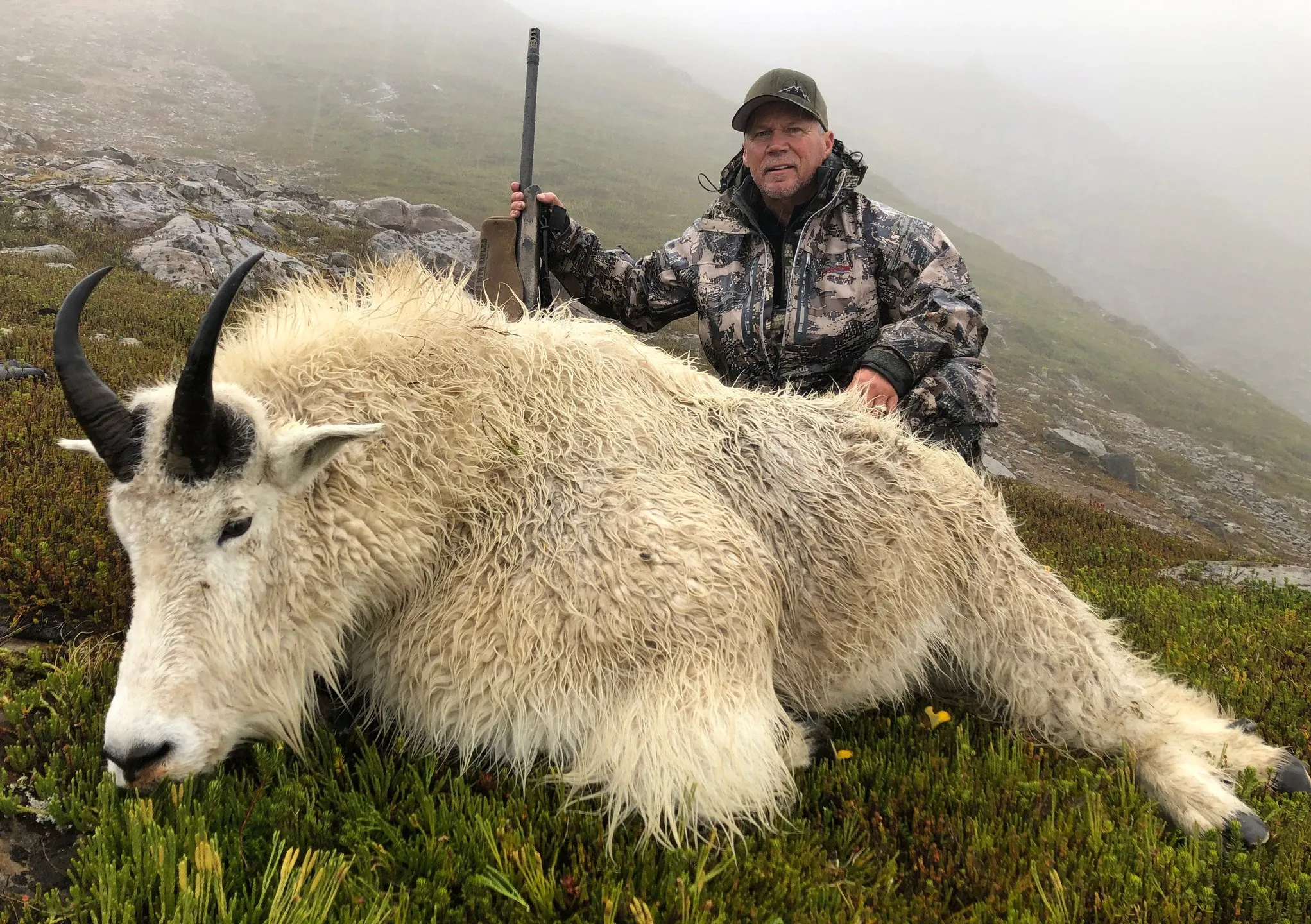
Mountain Goat – 10 DAY HUNT
Caribou/ Reindeer – 7 DAY HUNT
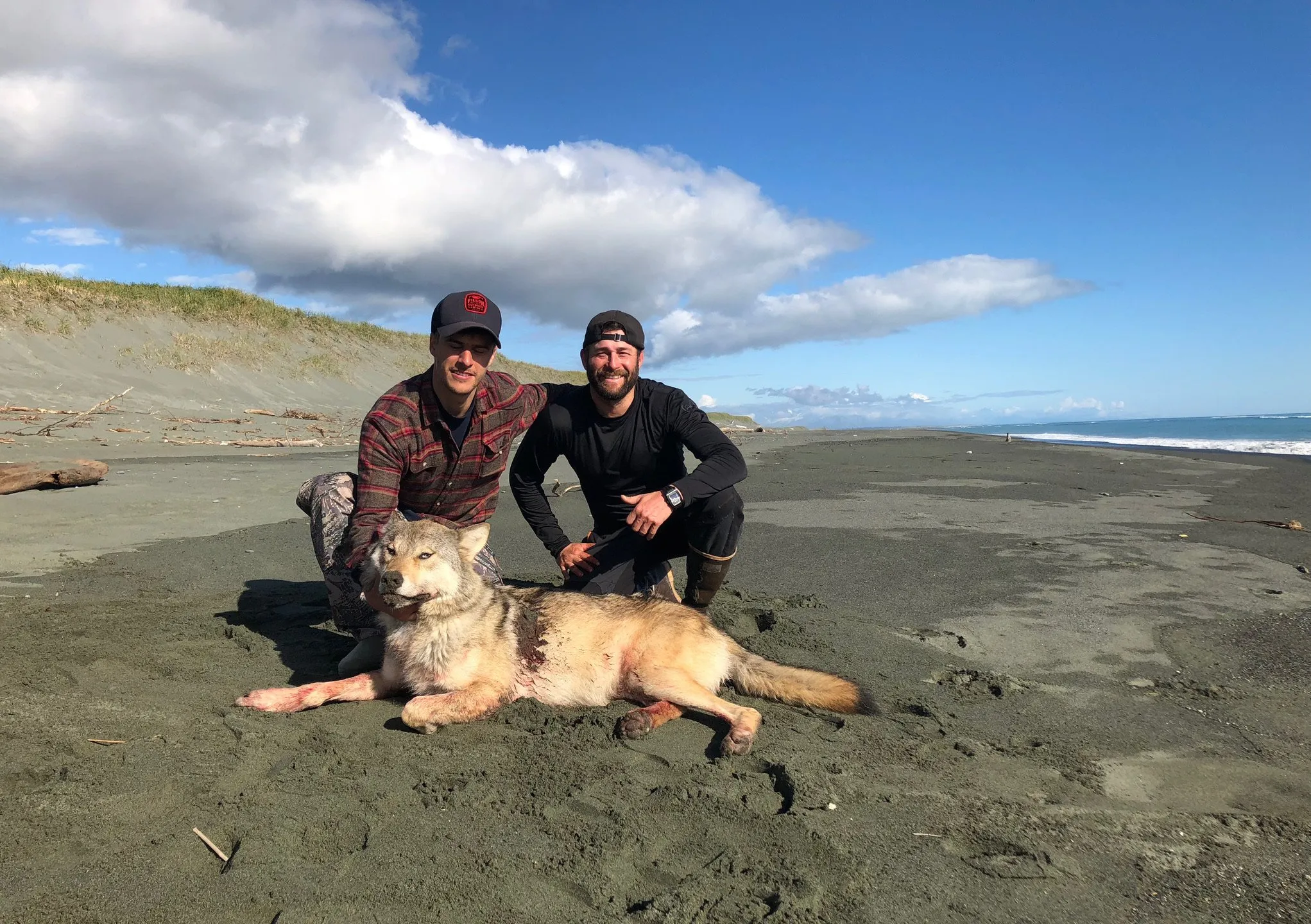
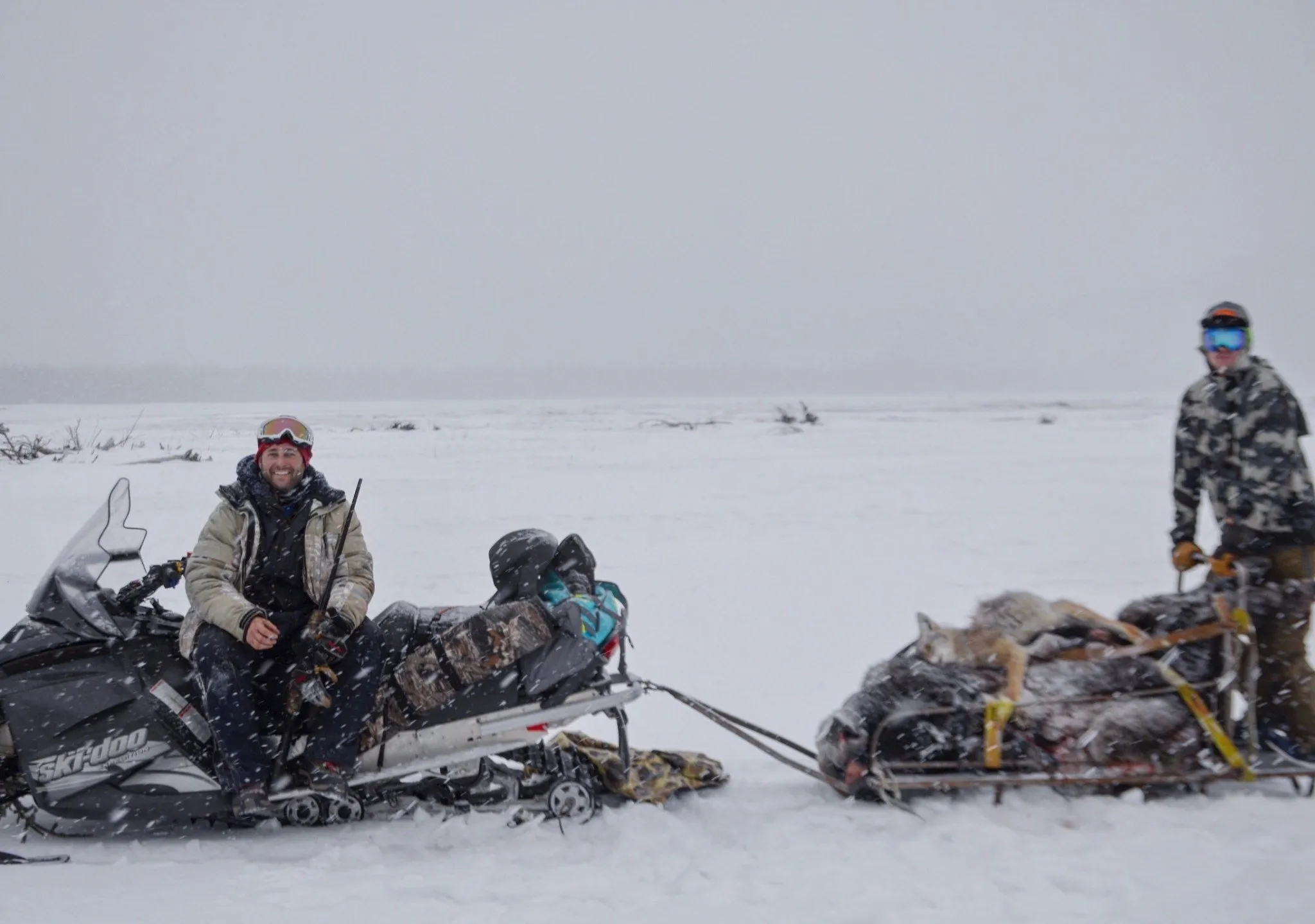
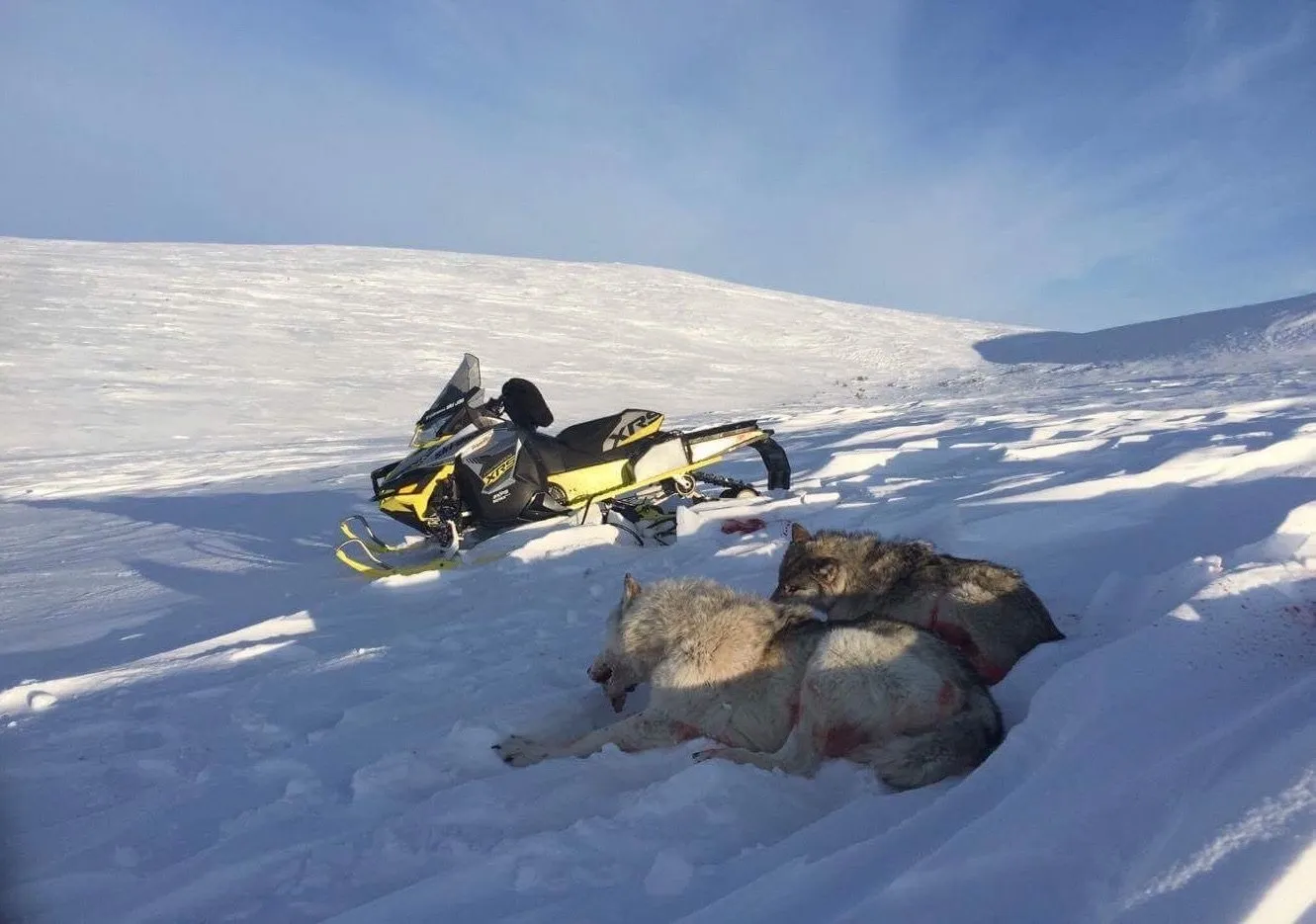
Spring Snowmobile Wolf Hunt – 5 DAY HUNT
(Up to 20 Wolves)
Sitka Black Tail Deer – 5 DAY HUNT
The following animals can be added to any of the base hunts provided they are within season:
Arctic Brown Bear
Black Bear
Wolf
Caribou
WHAT’S INCLUDED
Services and equipment are included.
SEE HOW WE INCLUDE MORE
WHY GAGE OUTDOORS
Why Travel with Gage Outdoors
FIND OUT WHAT SETS US APART
REVIEWS
GAGE OUTDOOR EXPEDITIONS
8164 Arthur Street NE
Minneapolis, MN 55432
Phone: 763-595-5936
Email: info@gageoutdoor.com
Our Pro-Staff works M-F and will be in touch shortly.
FOLLOW US
- Lodging in Cabin or Tent Camp
- Meals
- Guides
- Any Airfare
- Hunting Licenses & Fees
- Staff and Guide Gratuity
| Licenses | US Resident | Foreign |
| Hunting | $160.00 | $630.00 |
| Fishing | $105.00 | $105.00 |
| Duck Stamp (state) | $10.00 | $10.00 |
| Duck Stamp (federal) | $25.00 | $25.00 |
| APHA Fee | $150.00 | $150.00 |
| Game Tags | U.S. Resident | Foreign |
| Moose | $800.00 | $1000.00 |
| Brown Bear | $1000.00 | $1300.00 |
| Mountain Goat | $600.00 | $800.00 |
| Black Bear | $450.00 | $600.00 |
| Deer, Sitka Blacktail | $300.00 | $400.00 |
| Wolf | $60.00 | $100.00 |
| Additional fee: Life-size Moose Caping | $1500.00 |
Gage Outdoor Expeditions owns and operates some of the finest hunting and fishing lodges throughout the Americas. From Alaska to the tip of Argentina, Gage Outdoor Expeditions seeks out the world’s premier hunting and fishing adventures so you don’t have to. Every hunting and fishing expedition we offer has been explored by a Gage Outdoor consultant and only the finest venues are represented. We understand your time is valuable & you can’t afford to plan for weeks or months just to have some minor detail ruin your hunting or fishing experience. We travel the distance to bring you “The Best of The Best”.

Carl G.
Dale C.
INFORMATION GALLERY